A burglary happens every 90 seconds in England and Wales. But here's what the statistics also show: most burglaries are preventable. Opportunistic thieves look for easy targets — unlocked doors, dark approaches, no visible security. Make your home harder to break into than your neighbour's, and the vast majority of burglars will move on.
As professional security installers who've protected hundreds of London homes, we've learned what actually works versus what's just marketing. These 15 tips are based on real-world experience, not theory.
Quick Summary
- →Visible CCTV and alarm bellboxes are the single most effective deterrent
- →Most burglars spend less than 60 seconds deciding whether to target a property
- →Rear and side access points are more vulnerable than front doors
- →Simple habits (locking up, lighting, timer switches) prevent more burglaries than you'd think
- →Layered security — multiple measures working together — is exponentially more effective
Physical Deterrents: Making Your Home a Hard Target
Install Visible CCTV Cameras
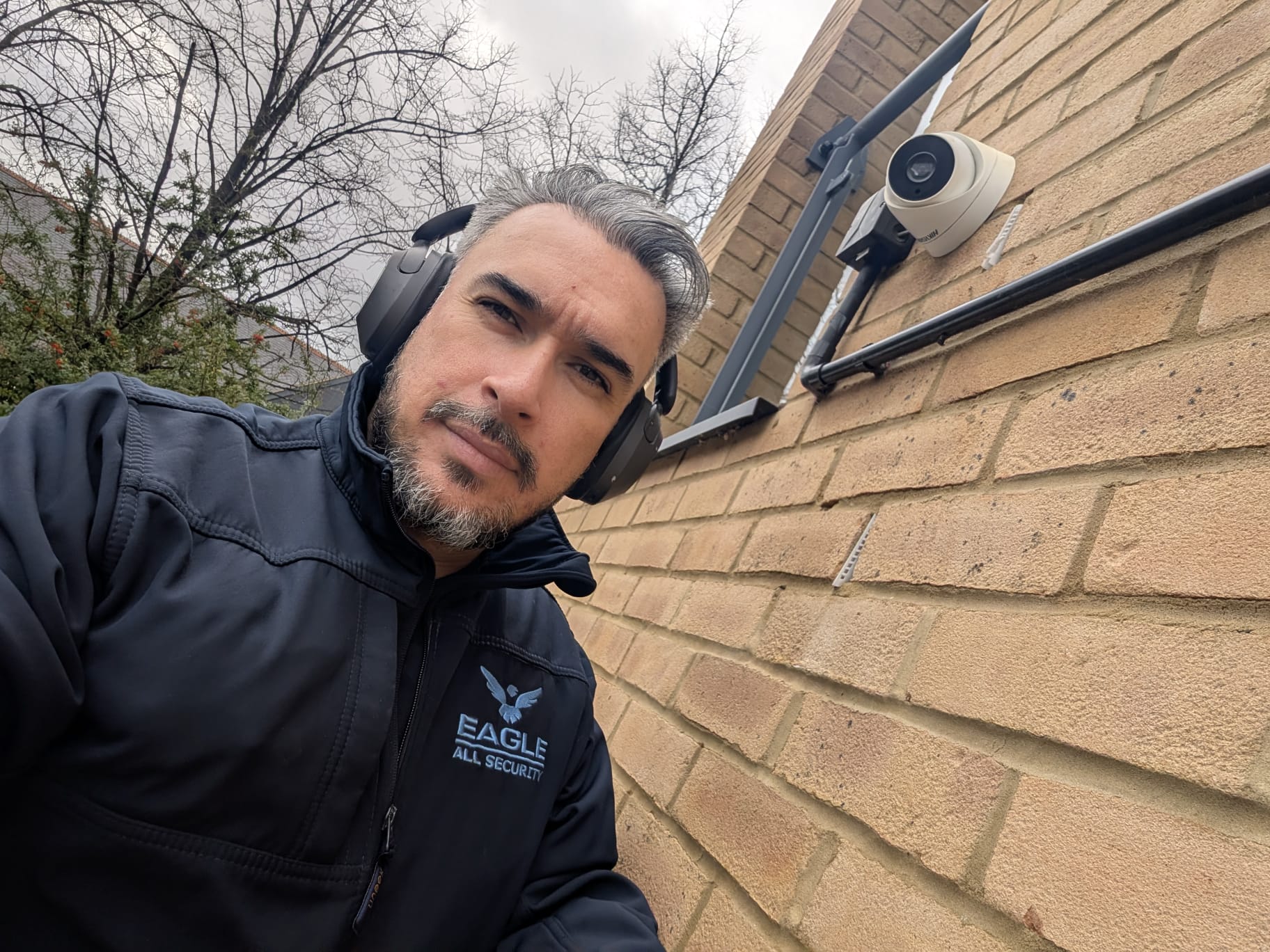
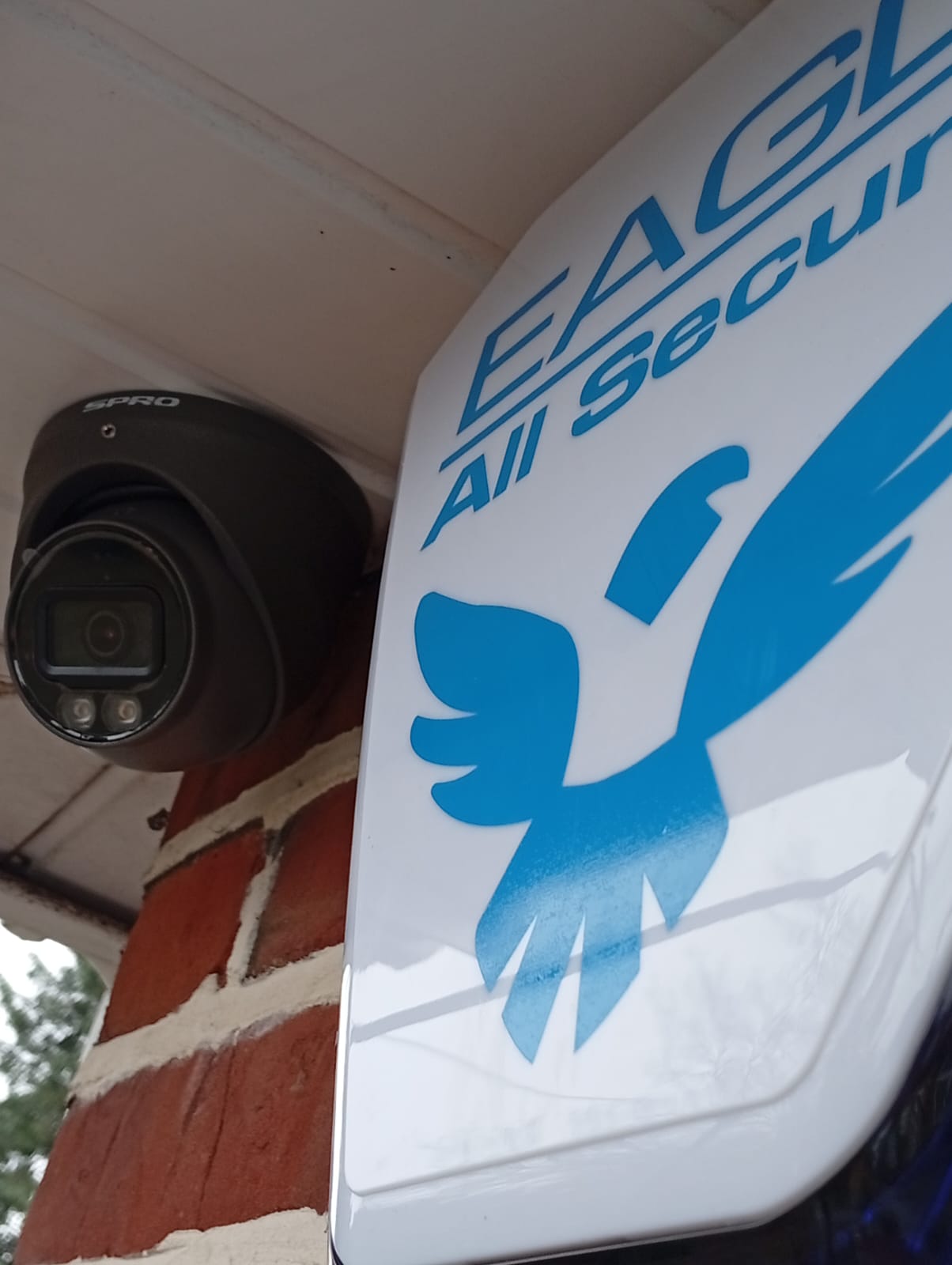
Research consistently shows that visible CCTV is the single most effective burglary deterrent. A camera on the front of your house tells every passing opportunist that this property has active security and their face will be recorded.
Position cameras to cover:
- Front door and driveway approach
- Rear garden access points
- Side gates and passages
- Any ground-floor windows not visible from the street
Modern systems include smartphone alerts — you'll know the moment someone approaches your property, whether you're upstairs or on holiday. Learn more about home CCTV installation.
Fit a Visible Alarm System
An external bellbox — the yellow or white box on your wall — signals that your home is protected. Even if a burglar defeats one layer of security, the alarm's audible siren and automatic smartphone notification create immediate pressure to leave.
Wireless alarm systems are quick to install and highly reliable. They include door contacts, PIR motion sensors, and app control. See our intruder alarm options.
Upgrade Your Locks
It sounds basic, but 30% of burglaries involve no forced entry — the thief walked in through an unlocked door or window. Of those that do involve force, many exploit weak locks.
- Front door: BS3621 five-lever mortice lock or multi-point locking system. Most insurance policies require this.
- Back door: Same standard as front. Rear doors are targeted more often because they're less visible.
- Windows: Key-operated window locks on all ground-floor and accessible windows.
- Side gates: Lockable gate with anti-lift hinges. A side passage is the most common route to rear access.
Secure Side Gates and Rear Access
Most burglars approach from the rear. Side gates and passages provide cover from the street while giving access to less secure rear doors and windows. A locked, 1.8m+ side gate that can't be easily climbed or lifted off its hinges forces burglars to attempt entry from the visible front — which most won't risk.
Install Motion-Activated Lighting
Burglars rely on darkness. Motion-activated lights covering your driveway, front path, side passage, and rear garden remove the cover darkness provides. LED floodlights with PIR sensors are inexpensive and effective — £20–£40 per unit, self-installable.
For maximum deterrence, combine with CCTV cameras that have colour night vision — the light improves both image quality and the deterrent effect.
Want a professional security assessment?
We offer free home security surveys across London. We'll identify your vulnerabilities and recommend the most effective protection for your property.
Smart Habits: The Free Security Measures
Technology helps, but consistent habits prevent more burglaries than any gadget. These cost nothing but protect everything.
Lock Every Door and Window — Every Time
This sounds obvious, but it's the single most common security failure we see. Back doors left unlocked during the day, bathroom windows left ajar overnight, garage side doors unbolted. Burglars check handles first. Make sure every handle they check is locked.
Don't Advertise Your Absence
Social media posts from holiday, piled-up parcels, overflowing bins, and no lights in the evening all signal an empty property. When you're away:
- Use timer switches on lights and a radio — create the impression of occupation
- Ask a neighbour to put bins out and collect post
- Cancel deliveries or redirect them
- Save the holiday photos for when you're home
Read our detailed guide on securing your home while on holiday.
Don't Leave Keys in Locks
Letterbox fishing — using tools through the letterbox to grab keys left in locks, on hall tables, or hanging on hooks — is a real and common technique. Never leave keys within reaching distance of the letterbox. Fit a letterbox guard if your front door has a wide opening.
Keep Valuables Out of Sight
Burglars often peer through windows before deciding to enter. Laptops on tables, car keys by the door, handbags on kitchen counters — these are the items they're looking for. Keep valuables away from ground-floor windows, especially at night.
Get to Know Your Neighbours
A connected street is a protected street. Neighbours who recognise unfamiliar people, report suspicious activity, and keep an eye on each other's properties are one of the most effective crime prevention measures. Join or start a neighbourhood watch group.
Technology That Makes a Real Difference
Smart Doorbell with Camera
A video doorbell captures everyone who approaches your front door — delivery drivers, visitors, and potential burglars conducting reconnaissance. Many burglaries are preceded by a "knock and check" — ringing the bell to confirm nobody's home. A smart doorbell lets you answer from anywhere, even when you're not in.
Door Entry System
For flats and apartment buildings, a door entry system with video intercom prevents unauthorised access to communal areas. See and speak to visitors before buzzing them in — from your phone, wherever you are.
Smart Lighting on Schedules
Go beyond basic timer switches. Smart bulbs and plugs let you create realistic lighting schedules that vary each day — mimicking real occupation patterns. Control them from your phone to turn lights on before you arrive home after dark.
The 60-Second Rule
Research shows most burglars spend less than 60 seconds deciding whether to target a property. In that time, they're looking for: visible cameras, alarm bellboxes, quality locks, lighting, and signs of occupation. If your home passes the 60-second test, the vast majority of opportunists will walk past.
Protecting Specific Vulnerable Areas
Garage and Shed Security
Garages and sheds contain high-value items — tools, bikes, lawnmowers, power equipment — and are often far less secure than the main house. They're also used as entry points to reach rear doors and windows.
- Garage doors: Fit a defender lock or ground anchor. Up-and-over doors are easily forced without additional security.
- Sheds: Coach bolt hinges from the inside, hasp and staple with a closed-shackle padlock, and consider a shed alarm.
- Bikes: Lock bikes to a ground anchor inside the garage or shed, not just to each other.
Garden and Perimeter
Your garden is either a barrier or an invitation. Design it for security:
- Thorny planting under ground-floor windows and along fence lines (pyracantha, berberis, hawthorn)
- Gravel paths — impossible to walk on quietly
- Low front hedges — maintain visibility from the street. Burglars love tall front hedges that screen the door from view
- Trellis on fences — a 1.8m fence topped with trellis is difficult to climb without breaking it (alerting neighbours)
- Remove ladders and tools — don't leave burglars the means to reach upper-floor windows
What to Do If You've Been Burgled
If the worst happens:
- Don't enter if you think the burglar might still be inside. Call 999 from outside.
- Don't touch anything. Preserve the scene for forensic examination.
- Call the police and get a crime reference number — you'll need this for insurance.
- Contact your insurer and begin the claims process.
- Secure the property — an emergency locksmith can make the property safe until permanent repairs are completed.
- Review your security — understand how they got in and close that vulnerability.
Key Takeaway
Burglary prevention isn't about spending thousands on a single measure. It's about creating layers — visible cameras, a working alarm, quality locks, good lighting, and consistent habits. Each layer alone reduces risk. Together, they make your home one that burglars simply won't attempt.
Get professional protection for your home
Free site survey, fixed pricing, and same-week installation. CCTV, alarms, and complete security systems across London.
Eagle All Security
Family-run security specialists protecting homes and businesses across London & the Home Counties since 2014. All advice is based on hands-on installation experience.